 MSI
MSI
 PC GAMER
 Asus
Asus
 RAZER
RAZER
 Logitech
 CORSAIR
 GIGABYTE
 AMD
AMD
 HyperX
 HP
HP
 DELL
DELL
 Cooler Master
 Samsung
 Lenovo
 Connect
 Hybrok
 THE G-LAB
 Kingston
 AOC
AOC
 ZOTAC
ZOTAC
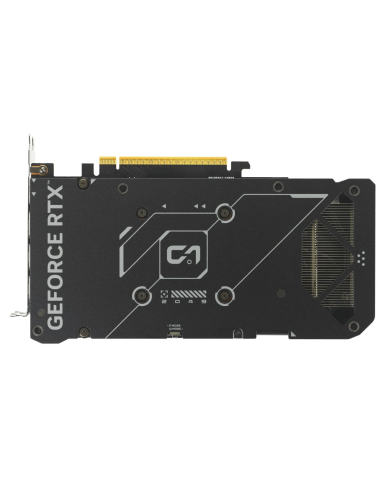
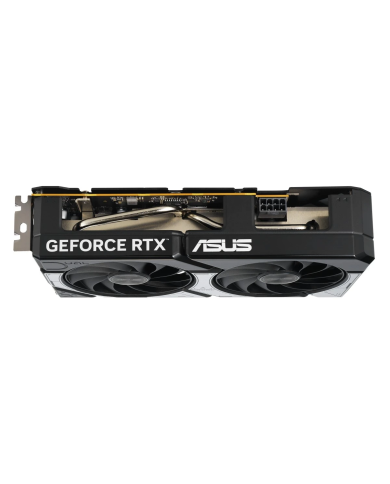
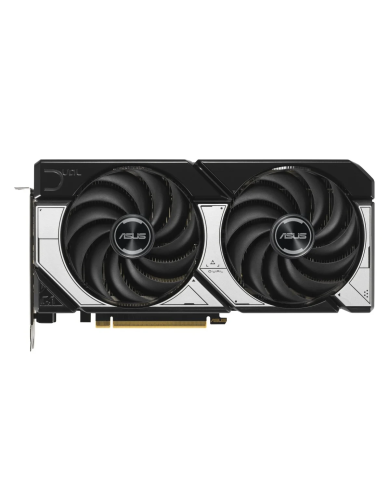
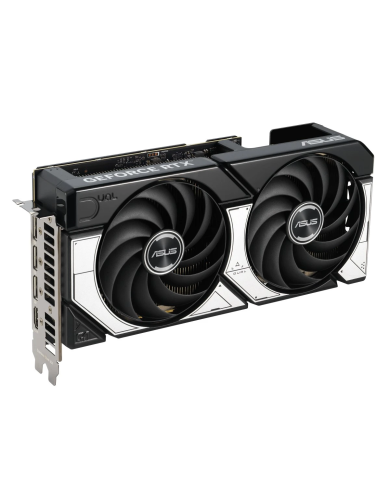
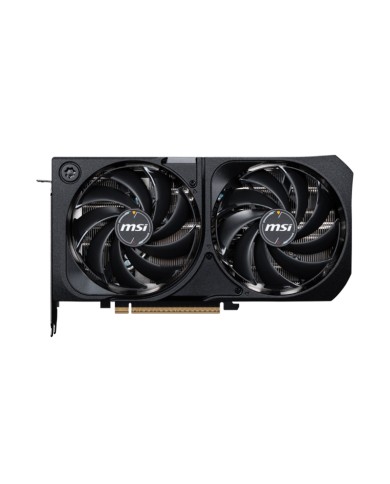
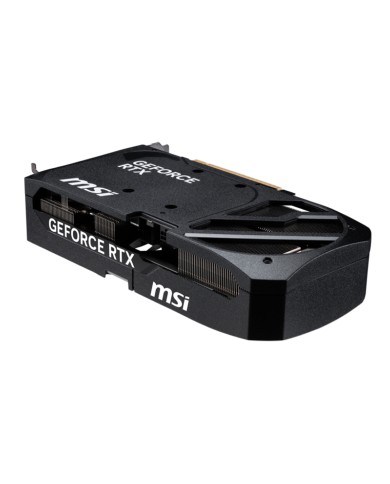
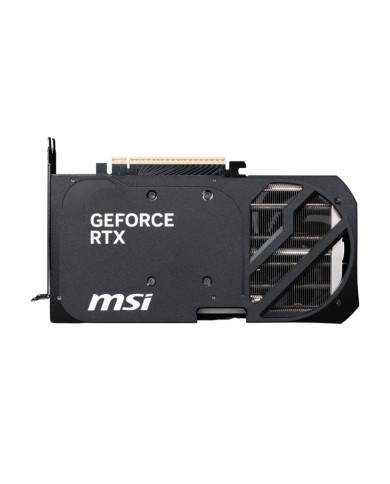
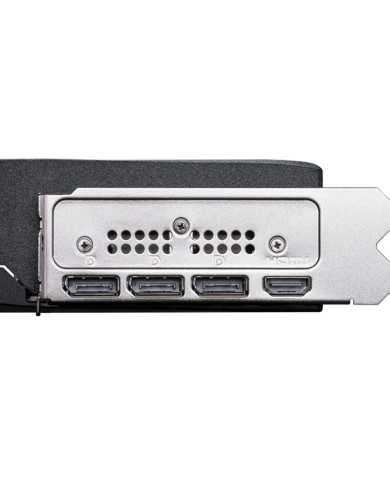
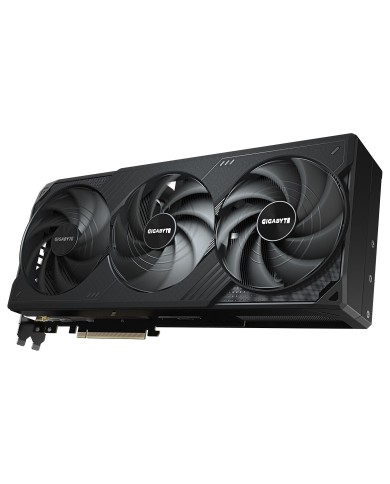
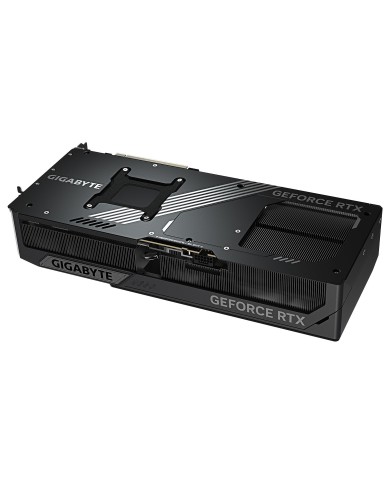
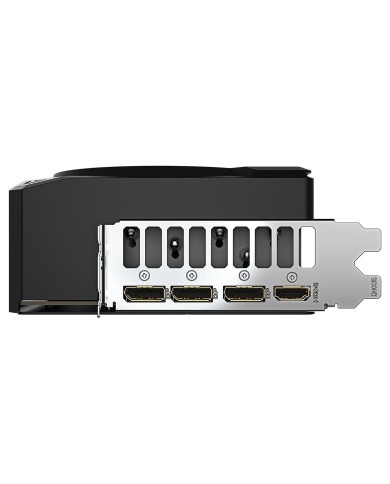
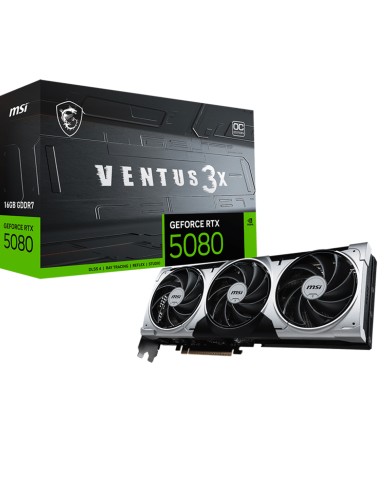
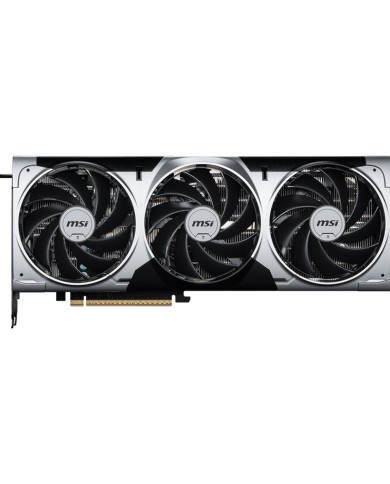
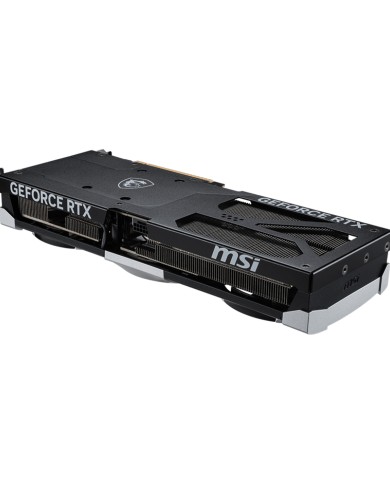
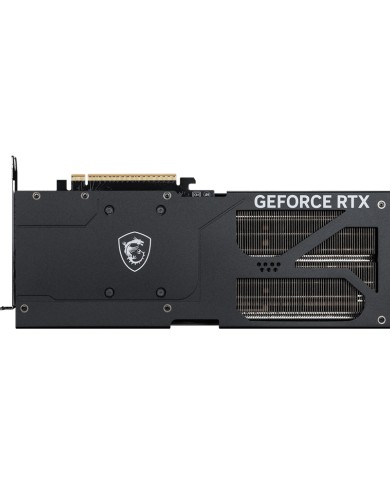
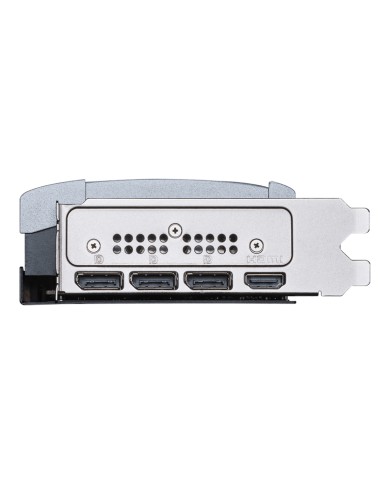
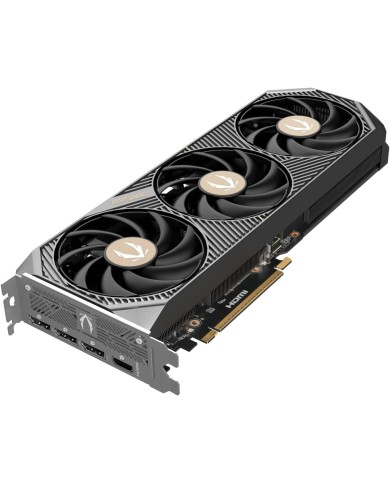
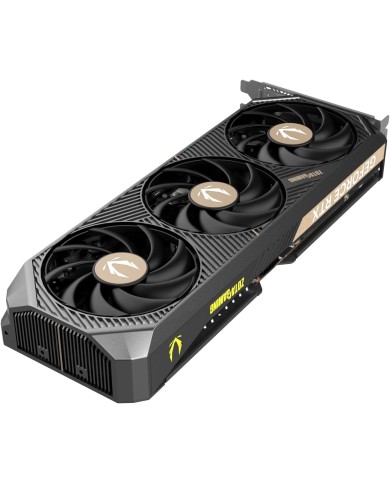
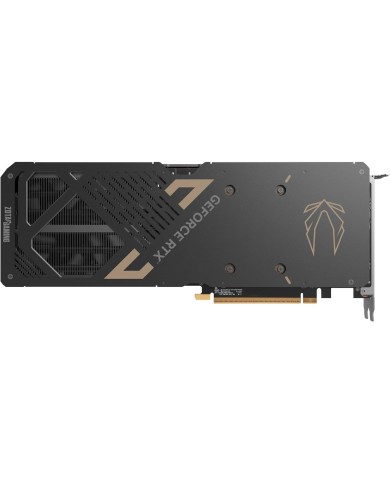
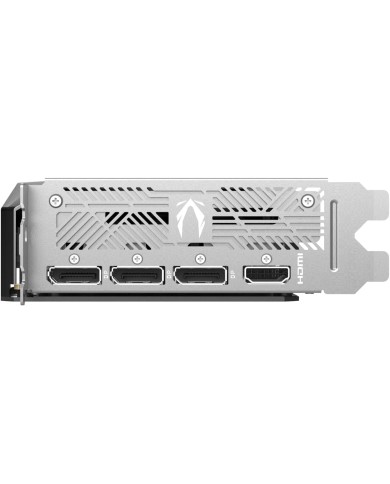
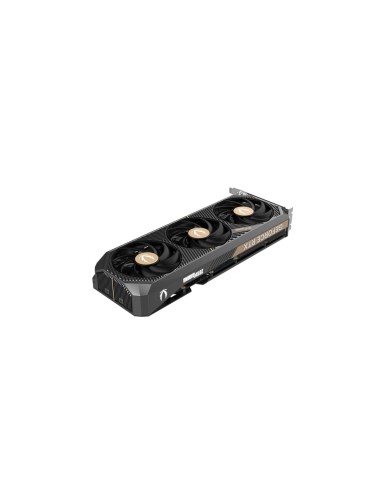
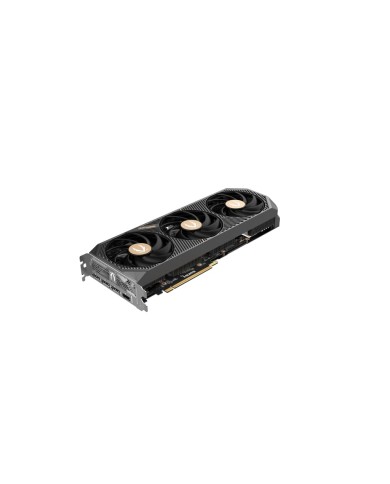
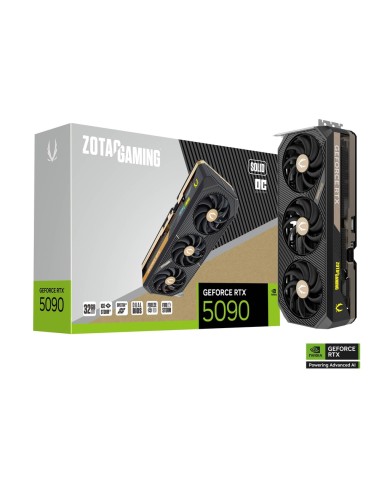
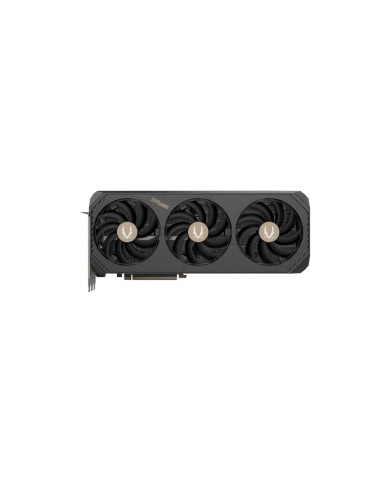
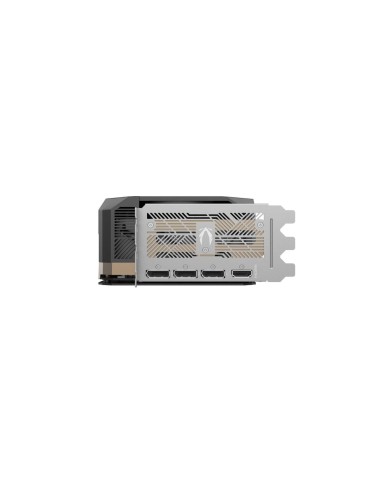
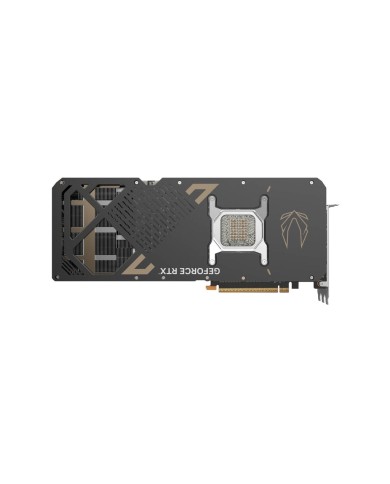
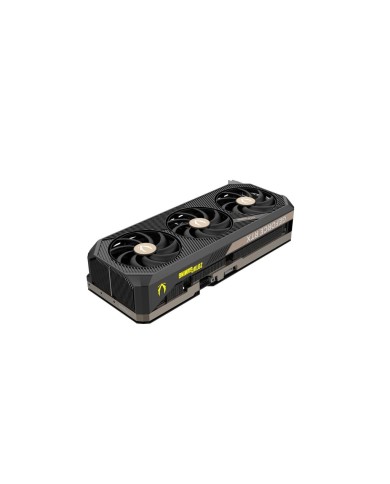
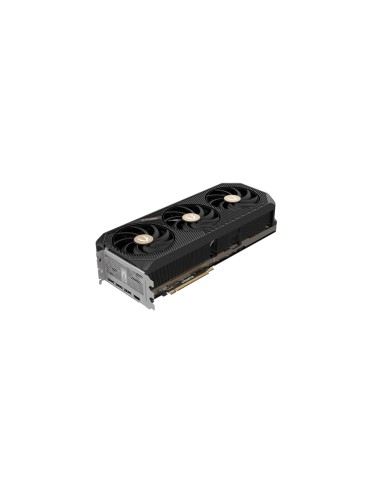


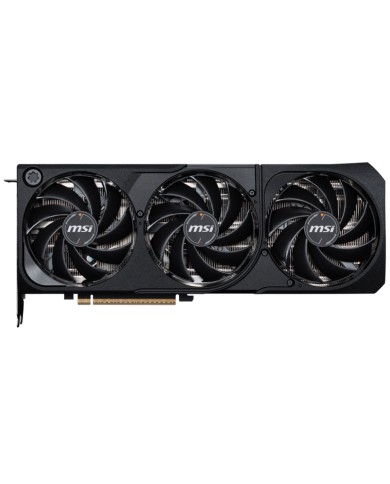
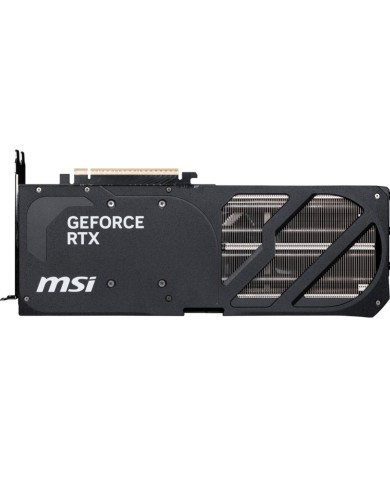
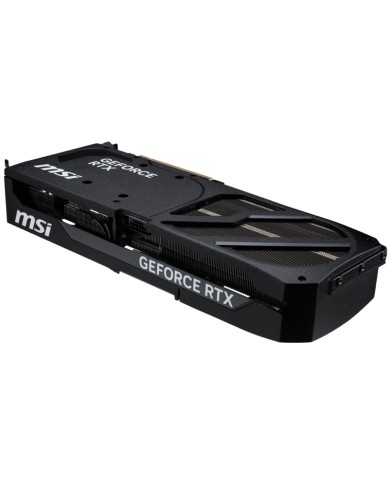
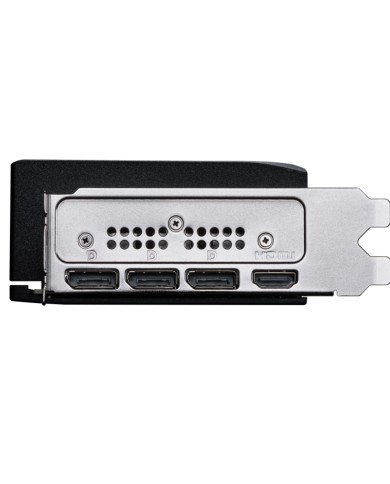
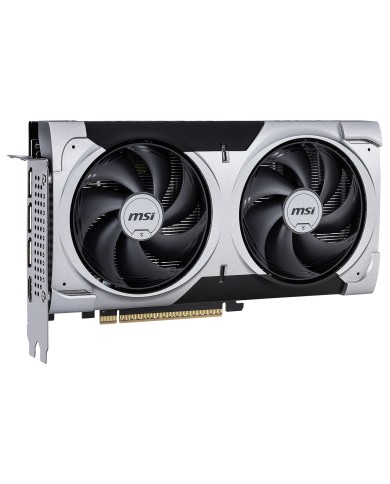
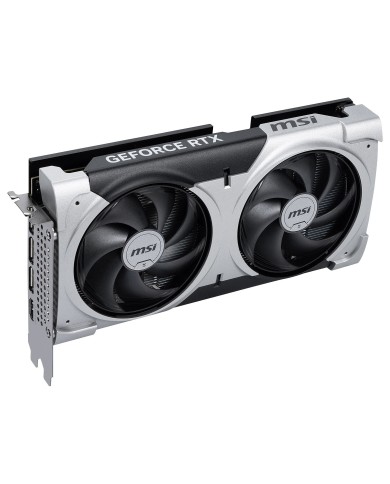
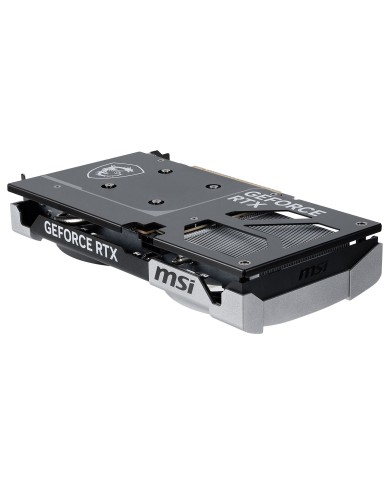
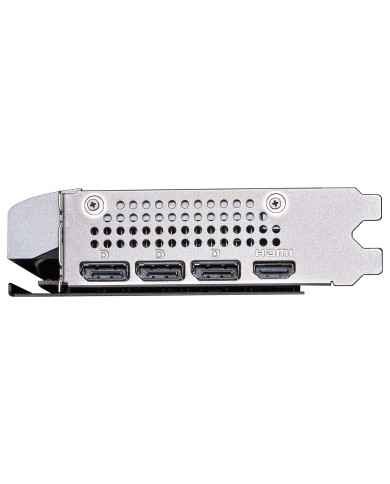


Il n'y a plus d'articles dans votre panier

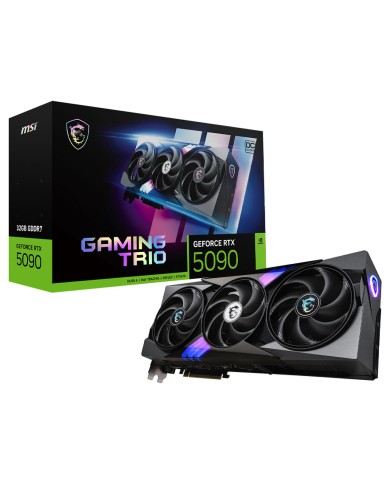
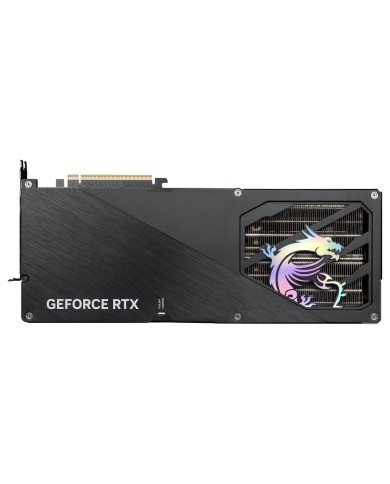
| Caractéristique | Détail |
| Chipset graphique | NVIDIA GeForce RTX 5090 |
| Mémoire vidéo | 32 Go GDDR7 – 512 bits – 28 Gbps |
| Fréquence Boostée | 2497 MHz (OC) |
| Interface | PCI Express 5.0 16x |
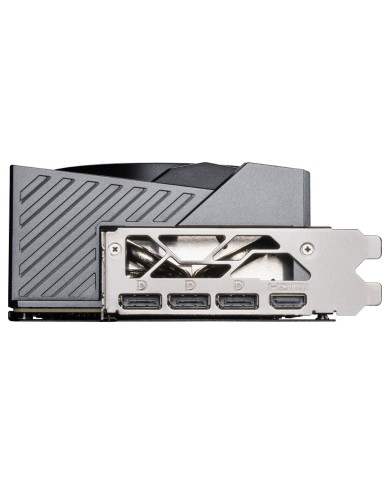
| Sorties vidéo | 1 x HDMI 2.1b, 3 x DisplayPort 2.1b |
| Résolution max | Jusqu’à 4K – VR Ready |
| Connecteur d’alim. | 1 x PCI Express 16 broches |
| Refroidissement | Actif – Triple ventilateur |
| RGB | Oui |
| Dimensions | 359 x 149 x 70 mm |
| Consommation | 575 W |
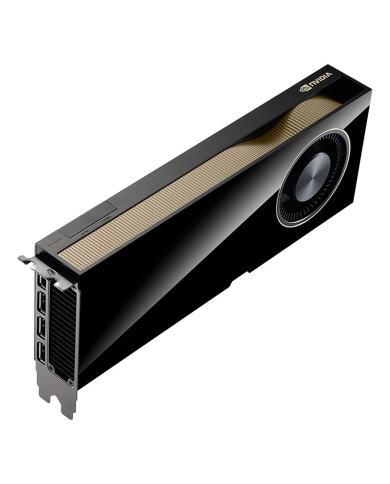
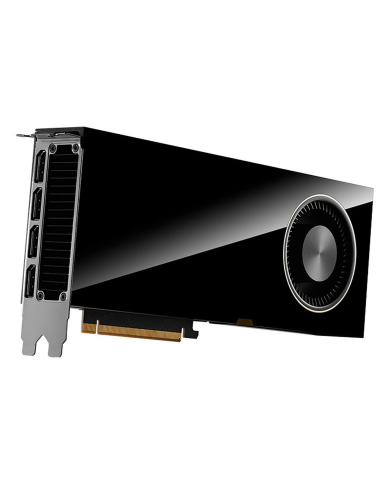
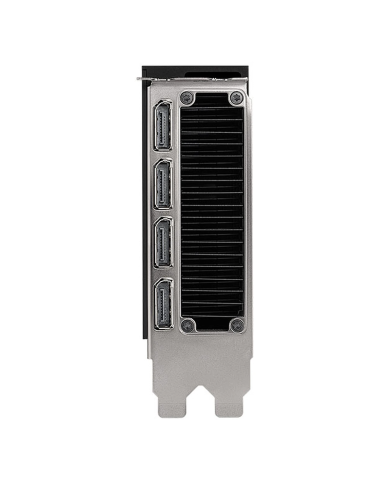
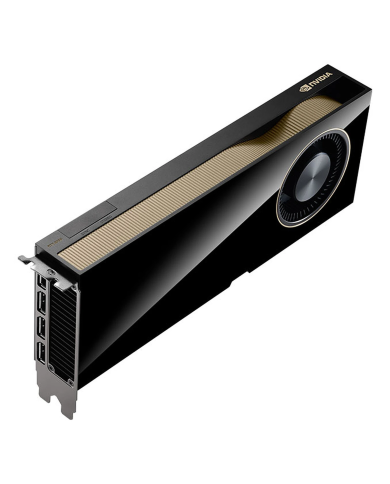
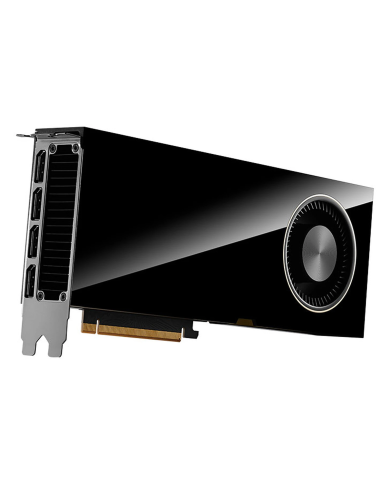
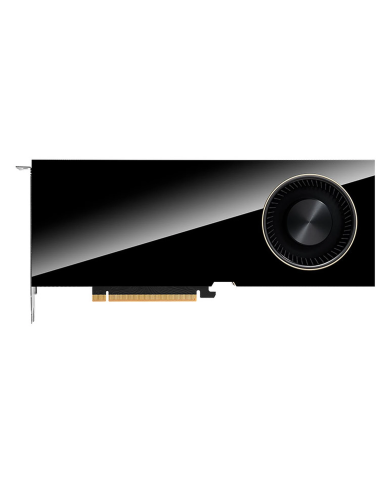
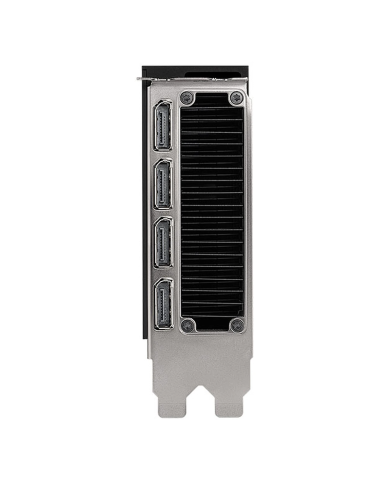
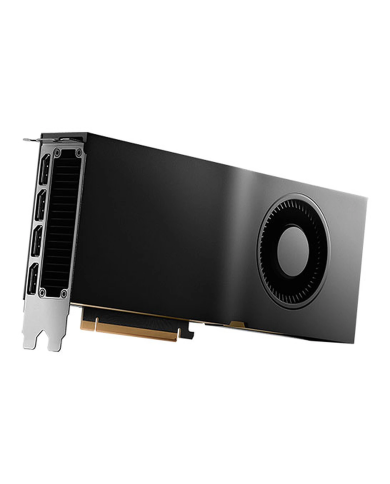
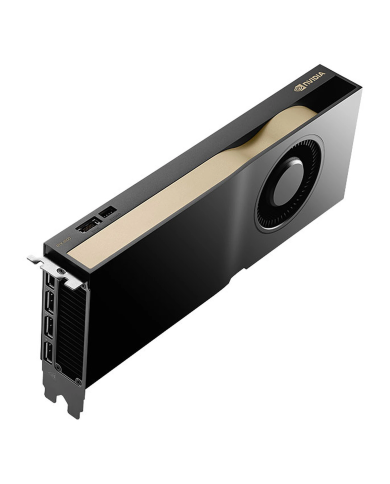
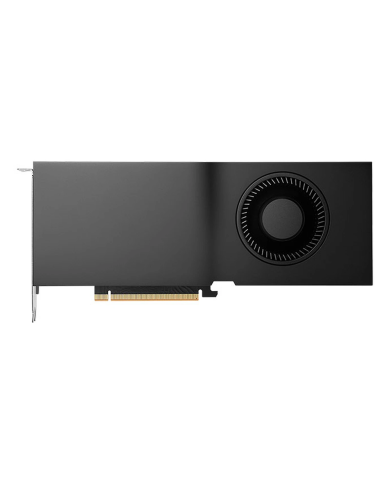
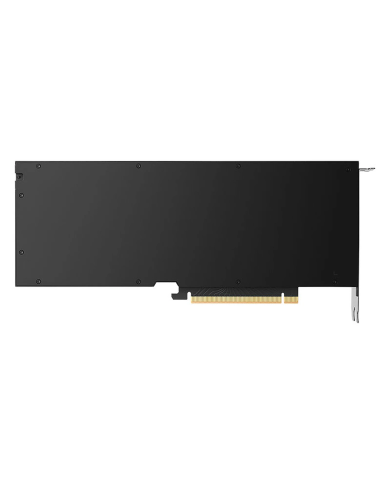
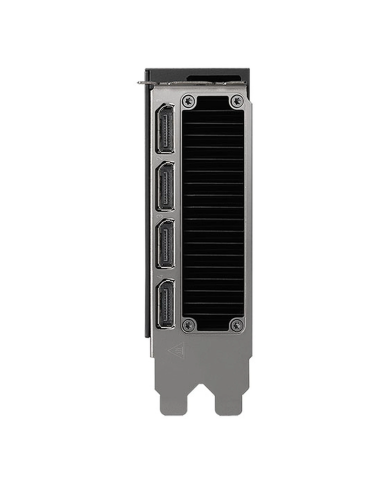
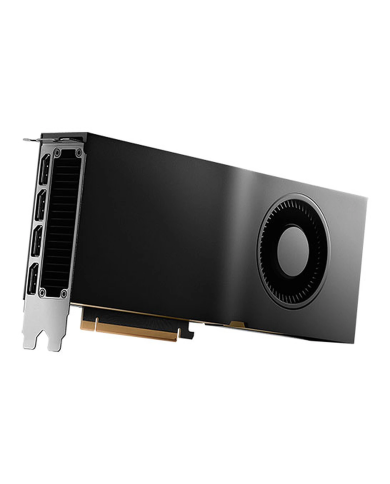
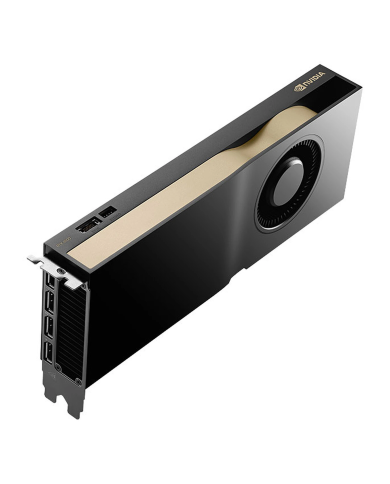
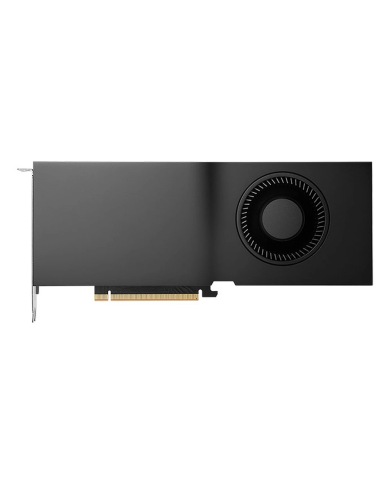
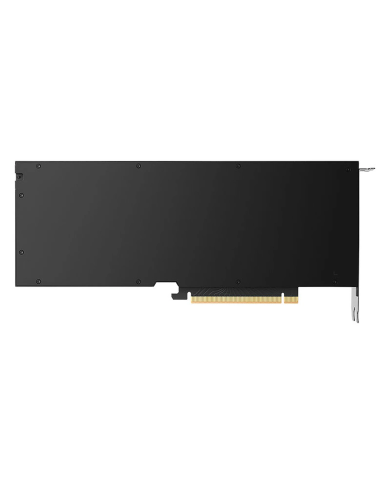
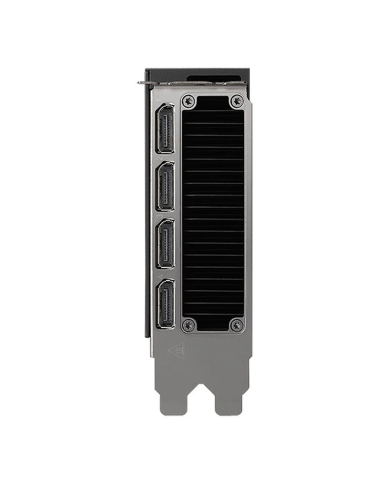
La PNY RTX 6000 Ada offre une puissance de calcul phénoménale avec ses 48 Go de GDDR6 pour repousser les limites de la création 3D et de la CAO.
|
Chipset Graphique
NVIDIA RTX 6000 Ada
|
|
|
VRAM
48 Go GDDR6
|
|
|
Interface Mémoire
384 bit
|
|
|
Bus
PCIe 4.0 x16
|
|
|
Consommation
300 W
|
|
|
Connectique Vidéo
4x DisplayPort
|
Découvrez la PNY RTX 4500 Ada Generation : une puissance de calcul inégalée pour vos applications professionnelles les plus exigeantes.
|
GPU
NVIDIA RTX 4500 Ada
|
|
|
Mémoire Vidéo
24 Go GDDR6 ECC
|
|
|
Cœurs CUDA
7680
|
|
|
Interface
PCIe 4.0 x16
|
|
|
Consommation
210 W
|
|
|
Connectique
4x DisplayPort
|
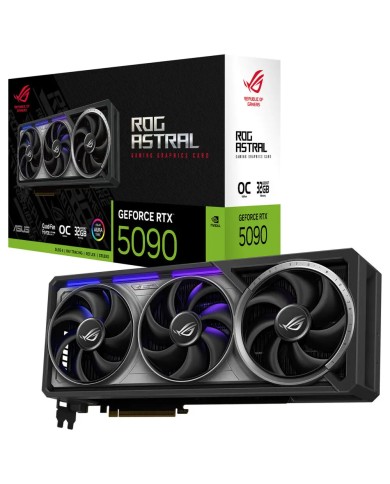
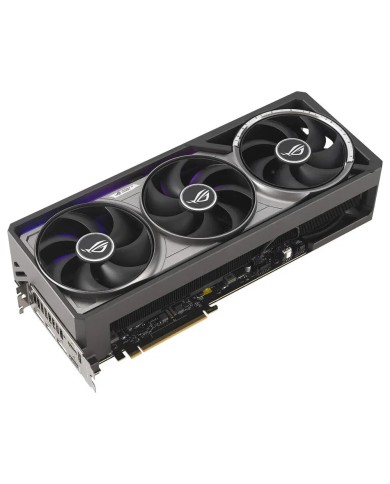
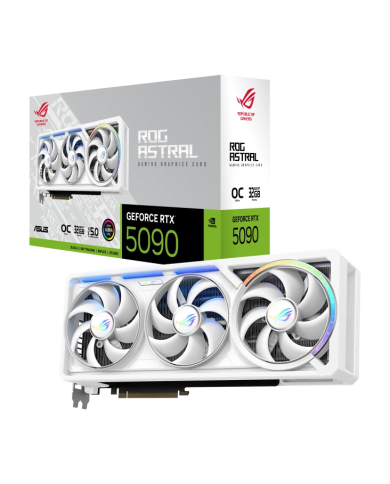
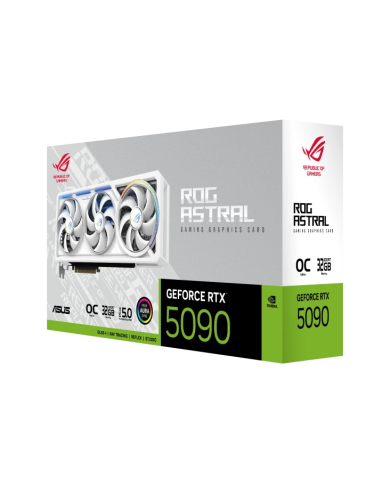
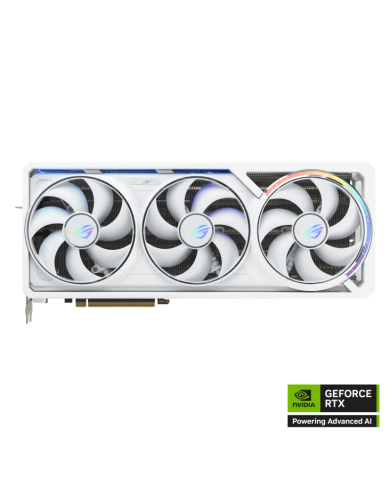
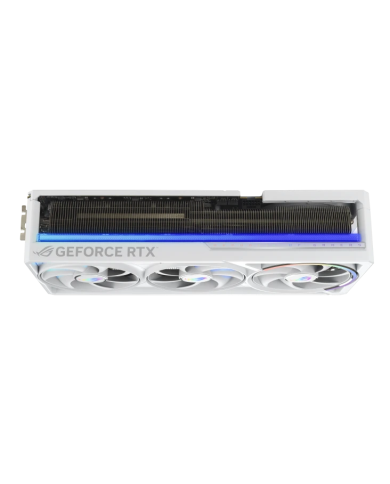
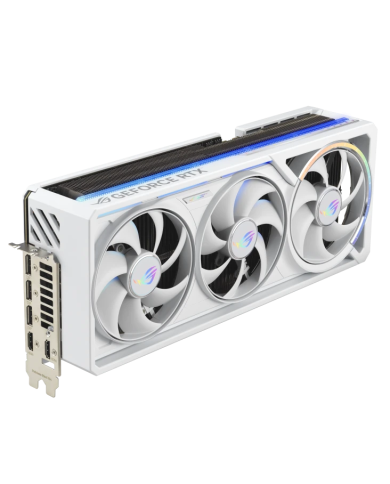
Découvrez la puissance sans précédent de la ROG Astral GeForce RTX™ 5090 WHITE OC Edition, propulsée par l'architecture NVIDIA Ada Lovelace avec 3352 TOPS pour une IA révolutionnaire et 32 Go de GDDR7.
|
GPU
NVIDIA® GeForce RTX™ 5090
|
|
|
VRAM
32GB GDDR7
|
|
|
Fréquence Boost
2610 MHz (OC Mode)
|
|
|
Interface
PCI Express 5.0
|
|
|
Résolution Max
7680 x 4320
|
|
|
Alimentation Recommandée
1000W
|
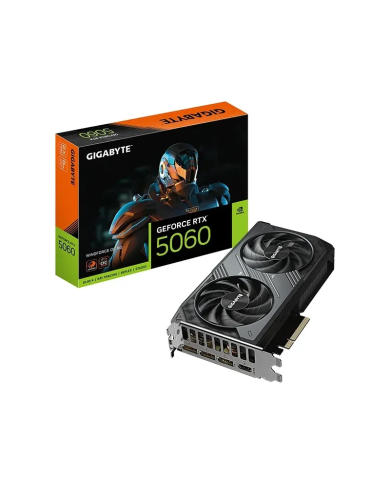
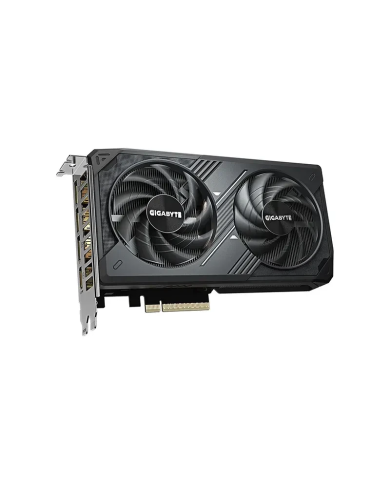
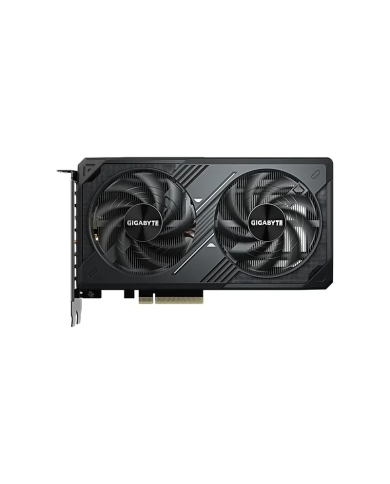
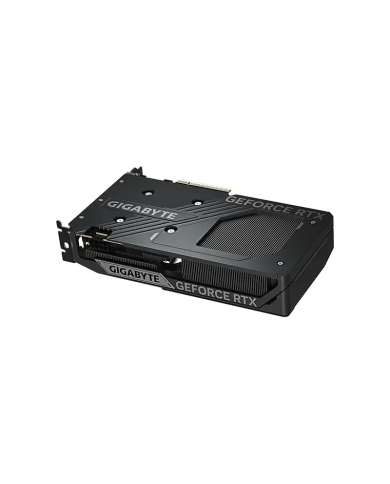
Propulsez votre setup dans le futur avec la GIGABYTE RTX 5060 WINDFORCE OC 8G, dotée de la nouvelle mémoire GDDR7 ultra-rapide et de 3840 cœurs CUDA pour un gaming 1080p/1440p sans compromis.
|
Mémoire Vidéo
8 Go GDDR7
|
|
|
Cœurs CUDA
3840 unités
|
|
|
Fréquence Boost
2512 MHz
|
|
|
Vitesse Mémoire
28000 MHz
|
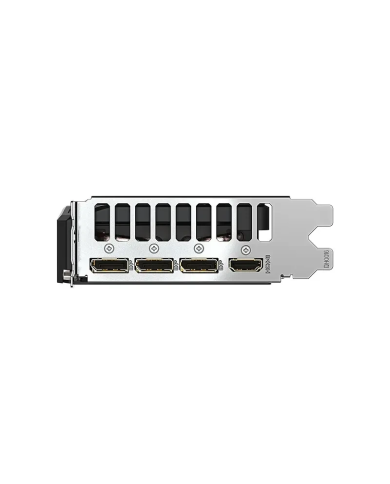
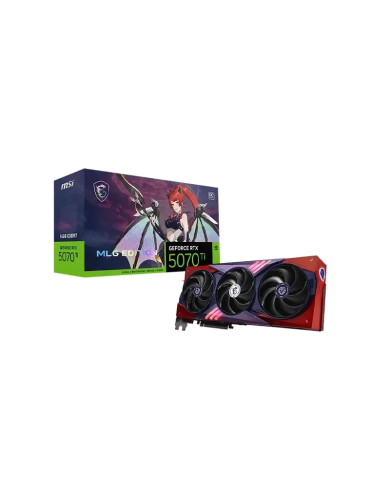
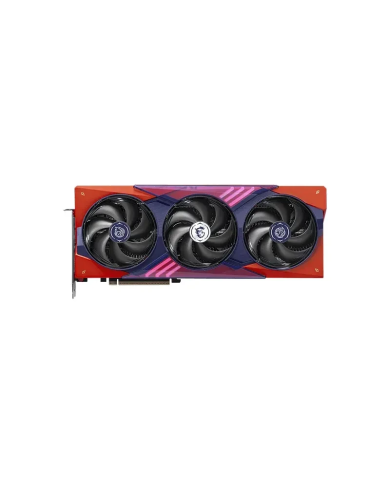
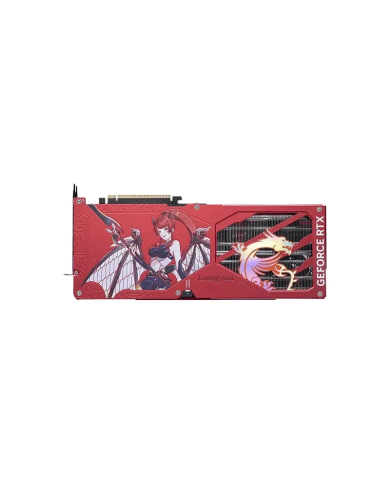
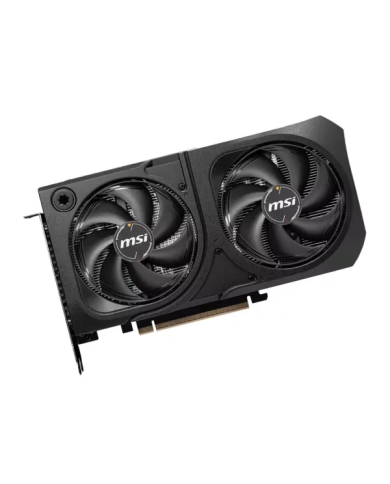
Propulsez votre setup dans une nouvelle ère avec la MSI RTX 5070 Ti MLG EDITION OC, dotée de 16 Go de GDDR7 ultra-rapide et de l'architecture NVIDIA de nouvelle génération pour un gaming d'élite.
|
Puce Graphique
NVIDIA GeForce RTX 5070 Ti
|
|
|
Mémoire VRAM
16GB GDDR7
|
|
|
Cœurs CUDA
8960 Unités
|
|
|
Fréquence Boost
2580 MHz
|
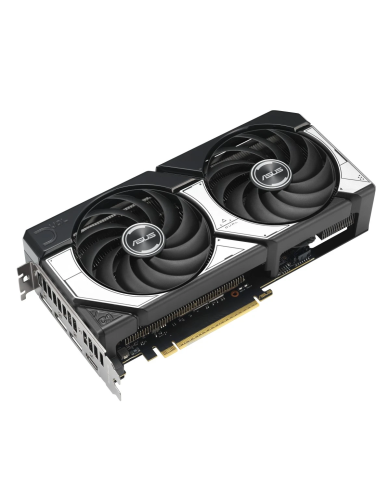
Découvrez l'architecture NVIDIA de nouvelle génération avec 8 Go de mémoire GDDR7 ultra-rapide à 28 Gbit/s. Un format compact 2.5 slots Dual Fan idéal pour le SFF, avec 3840 cœurs CUDA et support DisplayPort 2.1b pour le gaming 4K/8K.
|
Mémoire Vidéo
8 Go GDDR7
|
|
|
Cœurs CUDA
3840
|
|
|
Fréquence Boost
2565 MHz (OC)
|
|
|
Interface
PCI Express 5.0
|
|
|
Refroidissement
Dual Axial-tech
|
|
|
Sorties Vidéo
3x DP 2.1b / 1x HDMI 2.1b
|
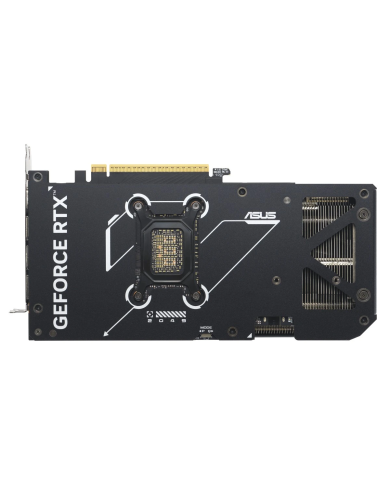
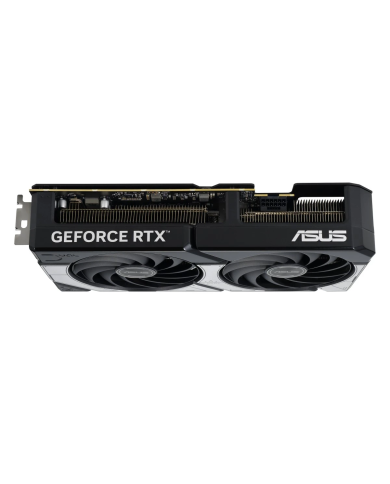
Passez à la nouvelle génération avec l'ASUS Dual RTX 5070 OC : 12 Go de GDDR7 ultra-rapide à 28 Gbit/s, architecture NVIDIA Blackwell, 6144 cœurs CUDA et interface PCI-E 5.0 pour des performances gaming 4K révolutionnaires.
|
Mémoire VRAM
12 Go GDDR7
|
|
|
Cœurs CUDA
6144
|
|
|
Fréquence Boost
2572 MHz (OC Mode)
|
|
|
Interface
PCI Express 5.0
|
|
|
Vitesse mémoire
28 Gbit/s
|
|
|
Sorties Vidéo
3x DP 2.1b / 1x HDMI 2.1b
|
|
|
Alimentation
750W (1x 16-pin)
|
|
|
Format
2.53 slots (Prêt SFF)
|
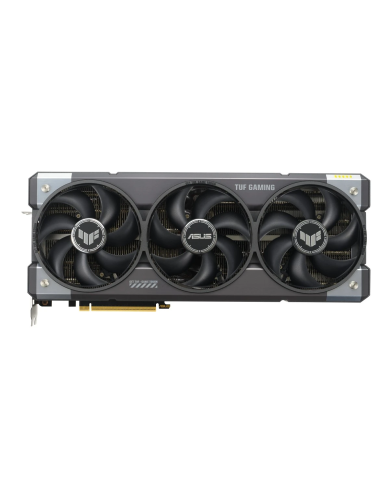
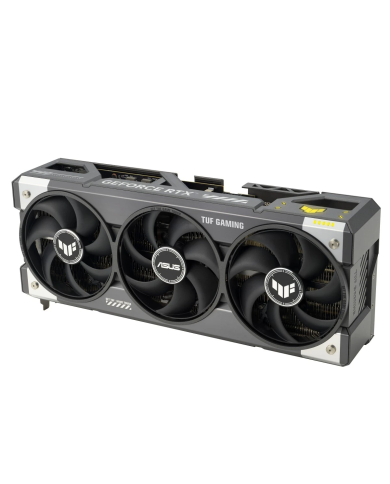
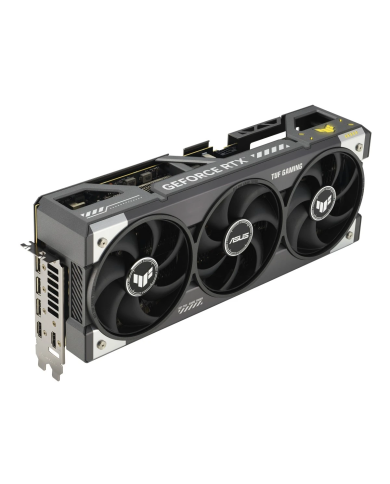
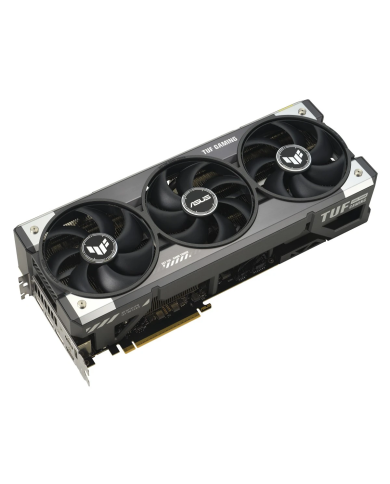
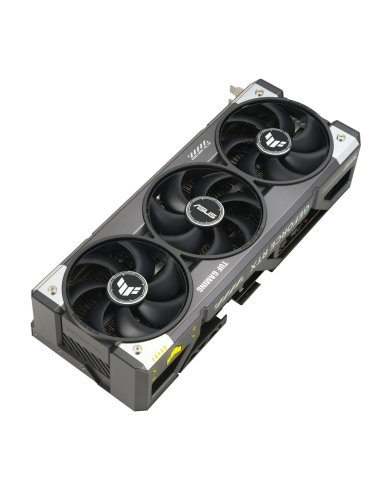
Dominez le futur du gaming avec l'ASUS TUF RTX 5090 : 32 Go de mémoire GDDR7 ultra-rapide, 21760 cœurs CUDA et l'architecture Blackwell avec DLSS 4 pour une immersion totale en 8K ultra-fluide.
|
Mémoire Vidéo
32 Go GDDR7
|
|
|
Cœurs CUDA
21760
|
|
|
Interface Mémoire
512 bit
|
|
|
Fréquence Boost
2407 MHz
|
|
|
Sorties Vidéo
2x HDMI 2.1b / 3x DP 2.1b
|
|
|
Alimentation
1000W recommandés (1x 16-pin)
|
MSI RTX 5050 Shadow 2X OC 8G : Performances exceptionnelles en 1080p/1440p et créativité boostée par l'architecture Ada Lovelace.
|
Architecture
Ada Lovelace
|
|
|
Mémoire Vidéo
8 Go GDDR6
|
|
|
Fréquence Boost
Overclockée d'usine
|
|
|
Refroidissement
Shadow 2X
|
|
|
Interface
PCIe 4.0
|
|
|
Connectique Vidéo
HDMI 2.1, 3x DP 1.4a
|
| Caractéristiques | Détails |
| Graphics Processing | GeForce RTX™ 5070 Ti |
| Core Clock | 2497 MHz (Référence : 2452 MHz) |
| CUDA® Cores | 8960 |
| Memory Clock | 28 Gbps |
| Memory Size | 16GB |
| Memory Type | GDDR7 |
| Memory Bus | 256-bit |
| Card Bus | PCI-E 5.0 |
| Résolution max | 7680 x 4320 |
| Multi-view | 4 écrans simultanés |
| Dimensions | 304 x 126 x 50 mm |
| Format PCB | ATX |
| DirectX | DirectX 12 API |
| OpenGL | OpenGL 4.6 |
| Alimentation recommandée | 750W |
| Connecteurs d’alimentation | 1x 16-pin |
| Sorties vidéo | 3x DisplayPort 2.1b, 1x HDMI 2.1b |
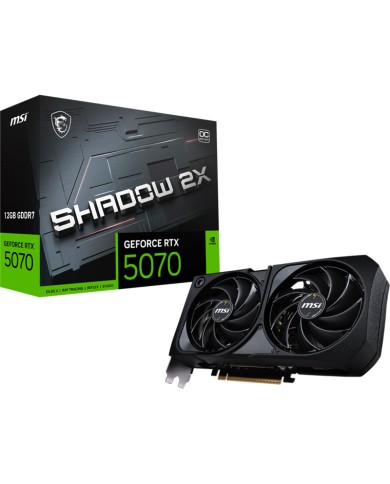
| Caractéristique | MSI GeForce RTX™ 5070 12G SHADOW 2X OC |
| Architecture | NVIDIA Blackwell |
| Cœurs CUDA | 6144 |
| Fréquence Boost | Jusqu'à 2557 MHz |
| Mémoire Vidéo | 12 Go GDDR7 (28 Gbps, bus 192 bits) |
| Ray Tracing | Cœurs de 4e génération |
| DLSS | Version 4 |
| Refroidissement | TORX FAN 5.0, Core Pipes, Zero Frozr |
| Connectivité | 3x DisplayPort 2.1b, 1x HDMI 2.1b |
| Résolution max | 4K 480 Hz / 8K 120 Hz avec DSC, VRR, HDR |
| Consommation | 250W (Alim recommandée 650W) |
| Dimensions | 231 x 126 x 50 mm |
| Technologies MSI | MSI Center, Afterburner |
| Caractéristiques | Détails |
| Graphics Processing | GeForce RTX™ 5070 Ti |
| Core Clock | 2542 MHz (Référence : 2452 MHz) |
| CUDA® Cores | 8960 |
| Memory Clock | 28 Gbps |
| Memory Size | 16GB |
| Memory Type | GDDR7 |
| Memory Bus | 256-bit |
| Card Bus | PCI-E 5.0 |
| Résolution max | 7680 x 4320 |
| Multi-view | 4 écrans simultanés |
| Dimensions | 304 x 126 x 50 mm |
| Format PCB | ATX |
| DirectX | DirectX 12 API |
| OpenGL | OpenGL 4.6 |
| Alimentation recommandée | 750W |
| Connecteurs d’alimentation | 1x 16-pin |
| Sorties vidéo | 3x DisplayPort 2.1b, 1x HDMI 2.1b |
| Caractéristique | MSI GeForce RTX™ 5080 16G SHADOW 3X OC |
| Architecture | NVIDIA Blackwell |
| Cœurs CUDA | 10 752 |
| Fréquence Boost | Jusqu'à 2640 MHz |
| Mémoire Vidéo | 16 Go GDDR7 (30 Gbps, bus 256 bits) |
| Ray Tracing | Cœurs de 4e génération |
| DLSS | Version 4 |
| Refroidissement | TORX FAN 5.0, Core Pipes, Zero Frozr |
| Connectivité | 3x DisplayPort 2.1b, 1x HDMI 2.1b |
| Résolution max | 4K 480 Hz / 8K 120 Hz avec DSC, VRR, HDR |
| Consommation | 850W (Alim recommandée) |
| Dimensions | 303 x 121 x 49 mm |
| Technologies MSI | MSI Center, Afterburner |
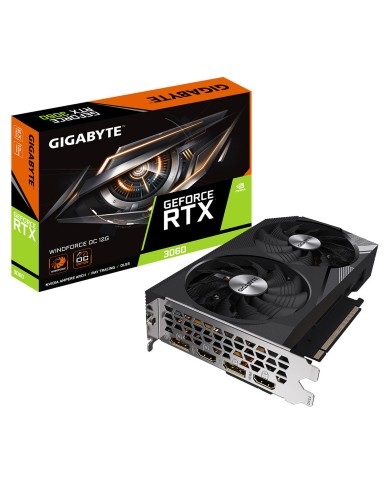
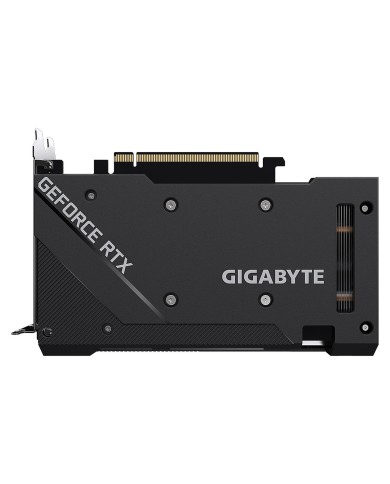
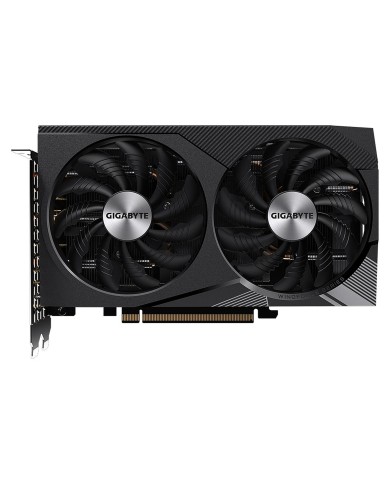
| Marque | GIGABYTE |
| Marque du GPU | NVIDIA |
| Taille mémoire vidéo | 12 Go |
| Fréquence mémoire vidéo | 15000 MHz |
| Fréquence boostée | 1792 MHz |
| Chipset graphique | NVIDIA GeForce RTX 3060 |
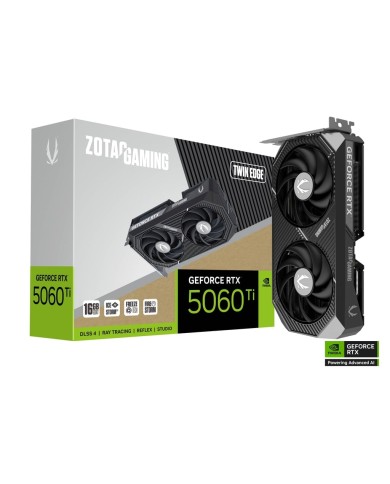
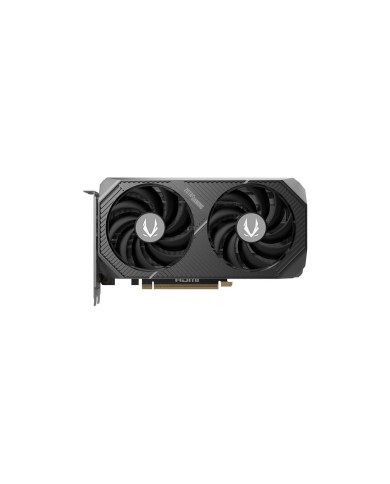
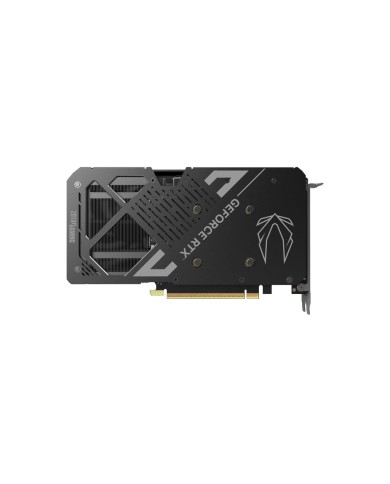
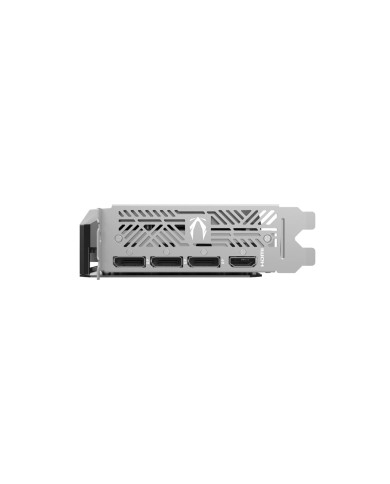
Carte Graphique 16 Go GDDR7 - HDMI/Triple DisplayPort - Ray Tracing - DLSS 3 - PCI Express (NVIDIA GeForce RTX 5060 Ti)
| Caractéristique | Détail | ||
| Modèle | ZOTAC GAMING GeForce RTX 5060 Ti 16GB Twin Edge gddr7 | ||
| Chipset graphique | NVIDIA GeForce RTX 5060 Ti | ||
| Cœurs CUDA (unités de calcul) | 4 608 | ||
| Fréquence Boost | 2 617 MHz | ||
| Mémoire vidéo | 16 Go GDDR7 | ||
| Fréquence mémoire | 28 Gbps | ||
| Interface mémoire | 128 bits | ||
| Interface carte mère | PCIe 5.0 x8 | ||
| Technologies supportées | Ray Tracing, DLSS, DirectX 12.2, OpenGL 4.6 | ||
| Refroidissement |
|
||
| Résolution maximale | 7680 x 4320 (8K UHD) | ||
| Sorties vidéo | HDMI | ||
| Hauteur | 2 emplacements (dual slot) | ||
| Consommation énergétique (TDP) | 180 Watts |
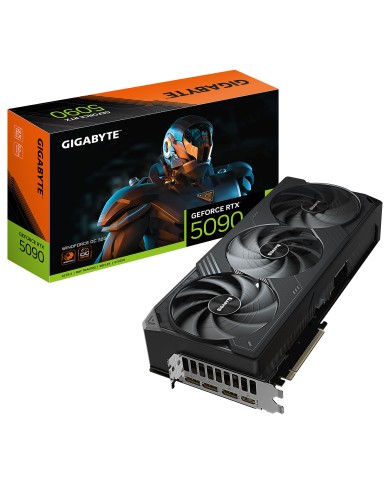
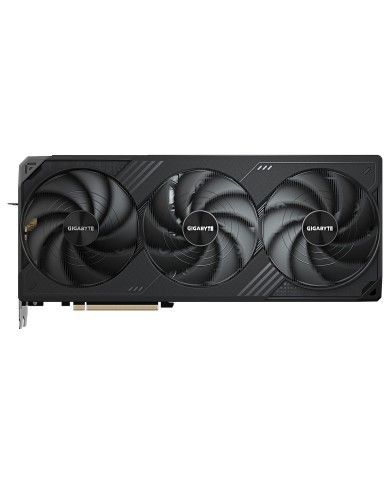
| Caractéristiques | Détails |
| GPU | NVIDIA GeForce RTX 5090 |
| Architecture | NVIDIA Ada Lovelace Next-Gen |
| Mémoire | 32 Go GDDR7 |
| Interface mémoire | 512-bit |
| Fréquence Boost | Overclocking d’usine pour des performances accrues |
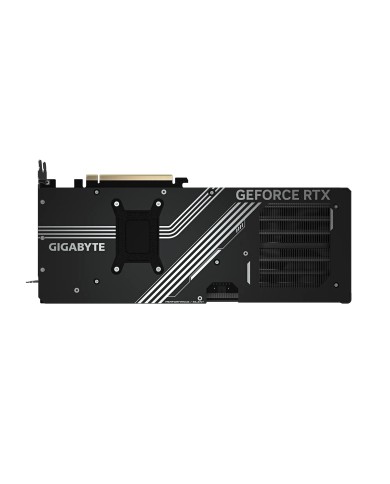
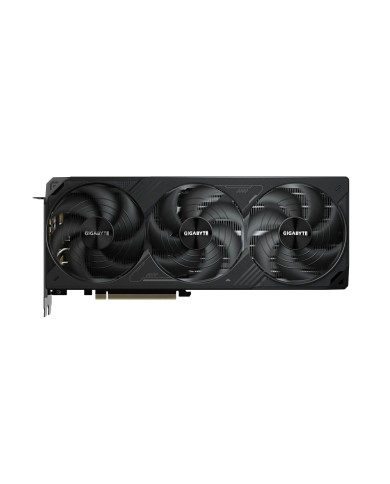
| Système de refroidissement | WINDFORCE 3X avec trois ventilateurs 100 mm et heat pipes en contact direct |
| Construction | Backplate métallique renforcée |
| Connectiques | HDMI 2.1, DisplayPort 2.1 |
| Compatibilité | Gaming 8K, VR, Ray Tracing, DLSS 3.5 |
| Logiciel | AORUS Engine pour l’optimisation des performances |
| Autres technologies | RGB Fusion 2.0, Ray Tracing, IA avancée |
| Idéal pour | Gaming Ultra HD, Création 3D, Streaming, IA et Deep Learning |
| Caractéristique | MSI GeForce RTX™ 5080 16G VENTUS 3X OC PLUS |
| Architecture | NVIDIA Blackwell |
| Cœurs CUDA | 10 752 |
| Fréquence Boost | Jusqu’à 2640 MHz |
| Mémoire Vidéo | 16 Go GDDR7 (30 Gbps, bus 256 bits) |
| Ray Tracing | Cœurs de 4ᵉ génération |
| DLSS | Version 4 |
| Refroidissement | TORX FAN 5.0, Core Pipes, Zero Frozr |
| Connectivité | 3x DisplayPort 2.1b, 1x HDMI 2.1b |
| Résolution Max | 4K 480 Hz / 8K 120 Hz avec DSC, VRR, HDR |
| Consommation | 850W (Alim recommandée) |
| Dimensions | 303 x 121 x 49 mm |
| Technologies MSI | MSI Center, Afterburner |
| Protection | Fusibles intégrés pour sécurité |
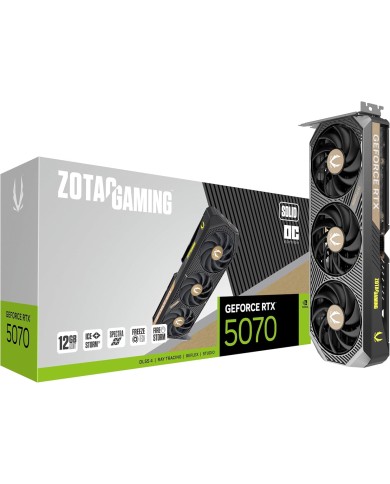
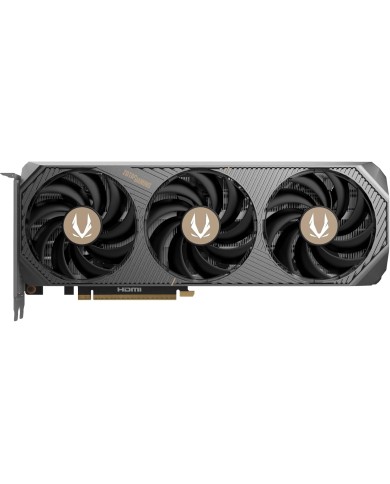
| Caractéristique | Détail |
| Modèle | ZOTAC GAMING GeForce RTX 5070 SOLID OC |
| Architecture GPU | NVIDIA Blackwell |
| Mémoire Vidéo | 12 Go GDDR7 |
| Technologie AI | NVIDIA DLSS 4 |
| Ray Tracing | Oui – Cœurs de Ray Tracing de 4e génération |
| Cœurs Tensor | 5e génération – Performance AI maximale avec FP4 |
| Refroidissement | IceStorm 2.0 |
| Silence | Technologie FREEZE Fan Stop |
| RGB | Éclairage SPECTRA RGB (logo uniquement) |
| Backplate | Plaque arrière métallique pour une meilleure rigidité |
| Connecteurs d’alimentation | 12V-2x6 avec indicateur lumineux de sécurité |
| Compatibilité PCIe | PCIe 5.0 |
| Refroidissement optimisé | Heatsink pleine longueur avec design Pass-Thru |
| Longueur de la carte | 304 mm |
| Support NVIDIA Reflex 2 | Oui – technologie Frame Warp pour une latence ultra faible |
| Utilisation recommandée | Jeux en 4K, VR, création de contenu |
| Caractéristiques | Détails |
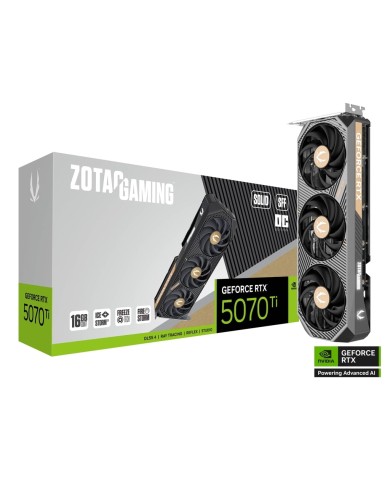
| Modèle | ZOTAC GAMING GeForce RTX 5070 Ti SOLID SFF OC |
| Référence | ZT-B50710J3-10P |
| Architecture GPU | NVIDIA Blackwell |
| Technologie IA | DLSS 4 (Deep Learning Super Sampling) |
| Format | SFF-Ready (Small Form Factor) – 2 slots |
| Refroidissement | IceStorm 2.0 avec ventilateurs BladeLink |
| Fonctions thermiques | FREEZE Fan Stop, Active Fan Control |
| Éclairage | LED blanc |
| Backplate | Métallique |
| Accessoires inclus | Support GPU |
| Alimentation | Connecteur 12V-2x6 avec voyant de sécurité |
| Caractéristiques | Détails |
| Modèle | ZOTAC GAMING GeForce RTX™ 5090 SOLID OC |
| Référence | ZT-B50900J-10P |
| Architecture GPU | NVIDIA Blackwell |
| Technologie IA | DLSS 4 |
| Refroidissement | IceStorm 3.0 + Chambre à vapeur 34% plus grande |
| Ventilateurs | BladeLink + FREEZE Fan Stop + Active Fan Control 2.0 |
| BIOS | Dual BIOS |
| Éclairage | RGB SPECTRA 2.0 + Port SPECTRA LINK pour ARGB synchronisé |
| Design & Structure | Châssis renforcé, plaque arrière en métal |
| Accessoires inclus | Support pour carte graphique |
| Objectif | Gaming haute performance / Création de contenu avancée |
| Caractéristique | Détail |
| Marque | GIGABYTE |
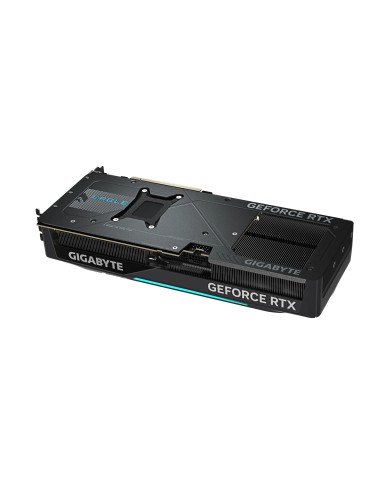
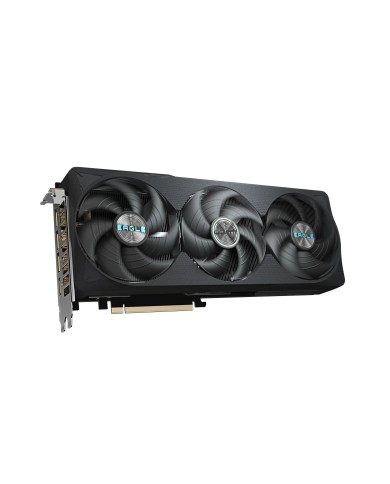
| Modèle | GeForce RTX 5070 EAGLE OC SFF 12G |
| Référence | GV-N5070EAGLE OC-12GD-SFV1 |
| Architecture GPU | NVIDIA Blackwell |
| Mémoire | 12 Go GDDR7 |
| Interface | PCIe 5.0 x16 |
| Fréquence Boost | Jusqu'à 2587 MHz |
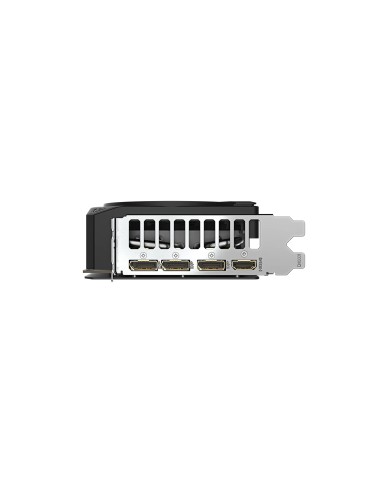
| Connecteurs vidéo | 3x DisplayPort 2.1b, 1x HDMI 2.1b |
| Système de refroidissement | WINDFORCE (triple ventilateur optimisé) |
| Format | SFF (Small Form Factor) |
| Technologies supportées | Ray Tracing 4ᵉ génération, DLSS 4, Reflex 2, ACE |
| Alimentation recommandée | 750W, connecteur PCIe 16 broches |
| Dimensions | 290 x 120 x 50 mm (double-slot) |
| Caractéristique | Détail |
| Mémoire vidéo | 16 Go GDDR7 |
| Interface | PCIe 5.0 x16 |
| Fréquences GPU | Base : 2 300 MHz / Boost : 2 497 MHz |
| Cœurs CUDA | 8 960 |
| Ray Tracing / AI Cores | 70 / 280 |
| Consommation (TDP) | 300W |
| Connectique vidéo | 3x DisplayPort 2.1, 1x HDMI 2.1 |
| Refroidissement | 3 ventilateurs, Zero RPM, Flow Through |
| Technologies | DLSS, Ray Tracing, G-Sync |
| Dimensions | 28,8 x 11,2 cm (3 slots) |
| Catégorie | Détail |
| Mémoire vidéo | 12 Go GDDR7, 192 bits, 28 000 MHz |
| Interface | PCI Express 5.0 x16 |
| Fréquences GPU | Boost : 2 557 MHz (overclockée) |
| Cœurs CUDA | 6 144 |
| Ray Tracing / AI Cores | Oui / AI Ready |
| Consommation (TDP) | 250 W, 1 x PCIe 16 broches (12V-2x6) |
| Connectique vidéo | 3x DisplayPort 2.1b, 1x HDMI 2.1b, jusqu’à 4 écrans, 4K UHD / 1440p |
| Refroidissement | Actif (fansink), triple ventilateur, 2.5 slots |
| Technologies | VR Ready, DirectX 12, Ray Tracing |
| Dimensions | 288 mm (L) x 112 mm (l) x 50 mm (h) |
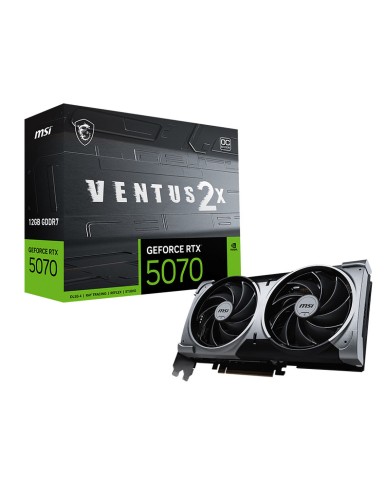
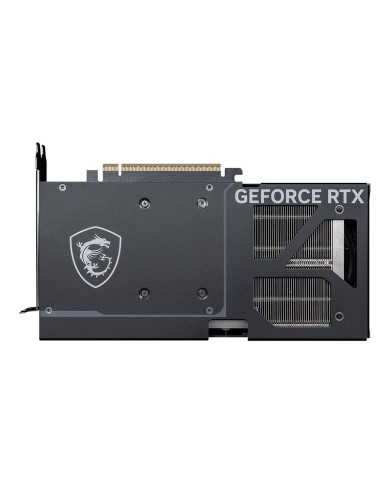
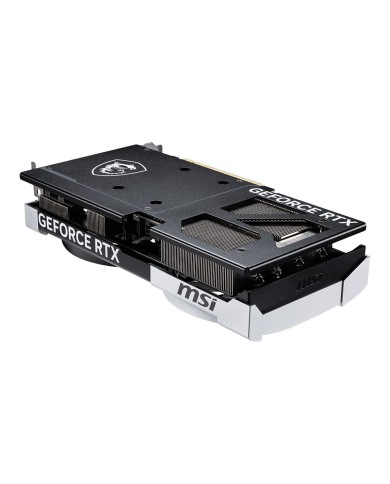
| Caractéristique | Détail |
| Chipset graphique | NVIDIA GeForce RTX 5070 |
| Mémoire vidéo | 12 Go GDDR7 – 192 bits – 28 Gbps |
| Fréquence Boostée | 2557 MHz (OC) |
| Interface | PCI Express 5.0 16x |
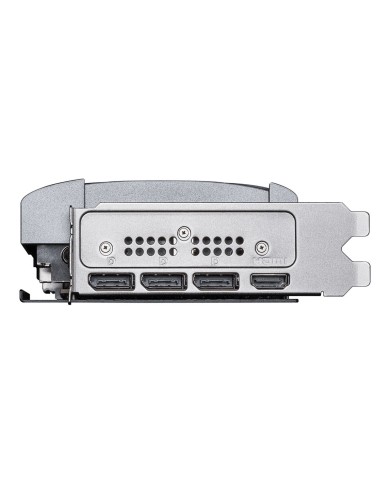
| Sorties vidéo | 3 x DisplayPort 2.1b, 1 x HDMI 2.1b |
| Résolution max | Jusqu’à 1440p / 4K UHD – VR Ready |
| Connecteur d’alim. | 1 x PCI Express 16 broches |
| Refroidissement | Actif – Double ventilateur (VENTUS 2X) |
| RGB | Non |
| Dimensions (L x l x É) | 236 x 126 x 50 mm |
| Consommation | 250 W |
SANS EMBALLAGE
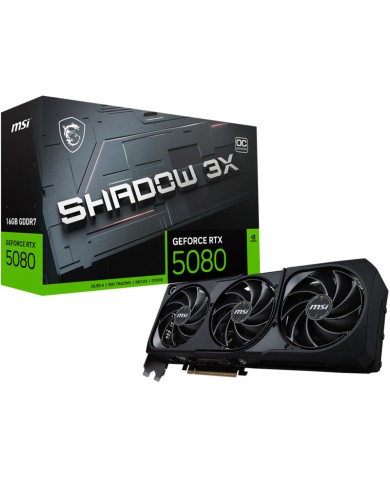
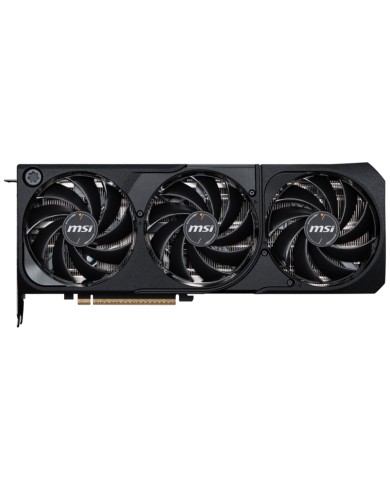
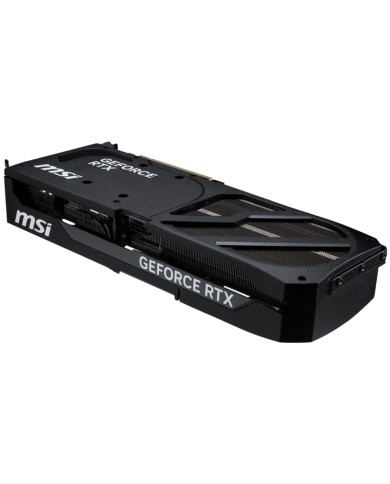
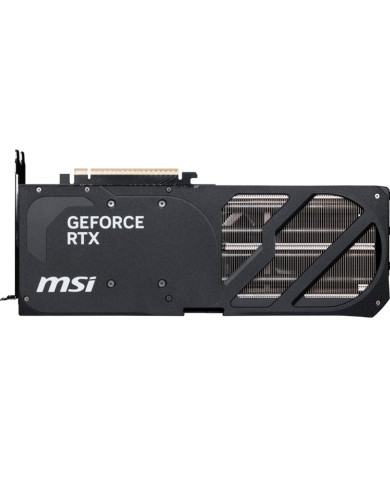
| Caractéristique | MSI GeForce RTX™ 5080 16G SHADOW 3X OC |
| Architecture | NVIDIA Blackwell |
| Cœurs CUDA | 10 752 |
| Fréquence Boost | Jusqu'à 2640 MHz |
| Mémoire Vidéo | 16 Go GDDR7 (30 Gbps, bus 256 bits) |
| Ray Tracing | Cœurs de 4e génération |
| DLSS | Version 4 |
| Refroidissement | TORX FAN 5.0, Core Pipes, Zero Frozr |
| Connectivité | 3x DisplayPort 2.1b, 1x HDMI 2.1b |
| Résolution max | 4K 480 Hz / 8K 120 Hz avec DSC, VRR, HDR |
| Consommation | 850W (Alim recommandée) |
| Dimensions | 303 x 121 x 49 mm |
| Technologies MSI | MSI Center, Afterburner |
12 Go GDDR7 - HDMI/Tri DisplayPort - DLSS 4 - PCI Express (NVIDIA GeForce RTX 5070)
| Caractéristique | Détail |
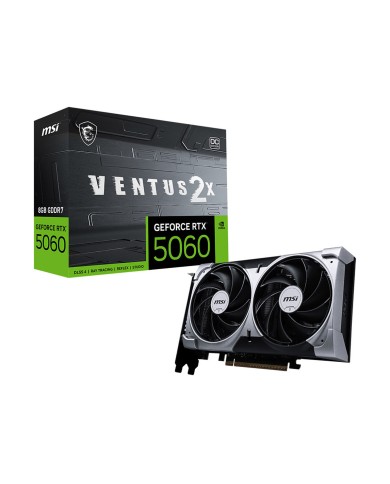
| Modèle | MSI GeForce RTX 5060 8G VENTUS 2X OC |
| Chipset | NVIDIA GeForce RTX 5060 |
| Mémoire vidéo | 8 Go GDDR7 |
| Interface mémoire | 128 bits |
| Vitesse mémoire | 28 Gbps |
| Fréquence boostée | 2535 MHz |
| Bus | PCI Express 5.0 |
| Processeurs de flux | 3840 |
| Résolution optimale | Full HD / 4K UHD |
| Sorties vidéo | 3 x DisplayPort 2.1b, 1 x HDMI 2.1b |
| Nombre d’écrans max | 4 |
| Connecteur alimentation | 1 x PCIe 8 broches |
| Consommation | 145 W |
| Refroidissement | Double ventilateur (actif) |
| Dimensions (L x l x É) | 197 x 120 x 41 mm |
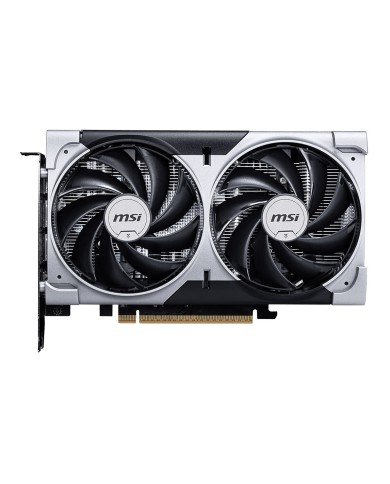
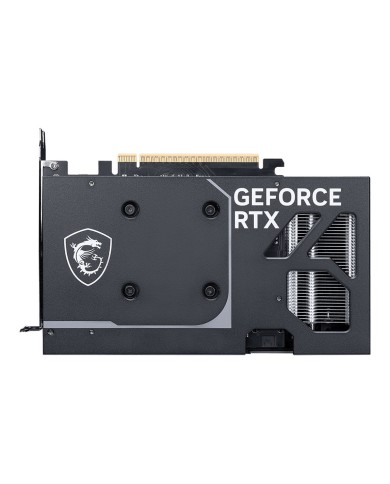
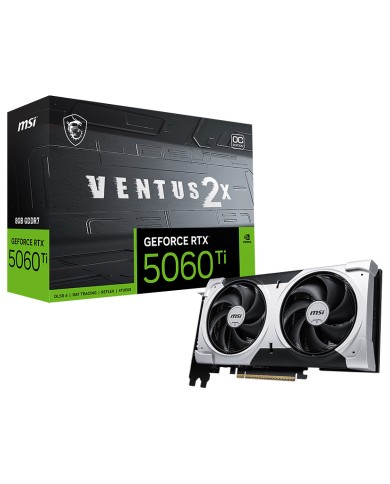
| Caractéristique | Détail |
| Modèle | MSI GeForce RTX 5060 Ti 8G VENTUS 2X OC PLUS |
| Chipset | NVIDIA GeForce RTX 5060 Ti |
| Mémoire vidéo | 8 Go GDDR7 |
| Interface mémoire | 128 bits |
| Vitesse mémoire | 28 Gbps |
| Fréquence boostée | 2617 MHz |
| Bus | PCI Express 5.0 |
| Processeurs de flux | 4608 |
| Résolution optimale | Jusqu'à 1440p / 4K UHD |
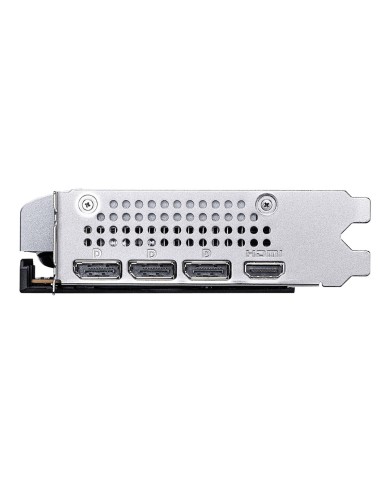
| Sorties vidéo | 3 x DisplayPort 2.1b, 1 x HDMI 2.1b |
| Nombre d’écrans max | 4 |
| Connecteur alimentation | 1 x PCIe 8 broches |
| Consommation | 180 W |
| Refroidissement | Actif (double ventilateur) |
| Éclairage LED | Non |
| Dimensions (L x l x É) | 227 x 127 x 41 mm |
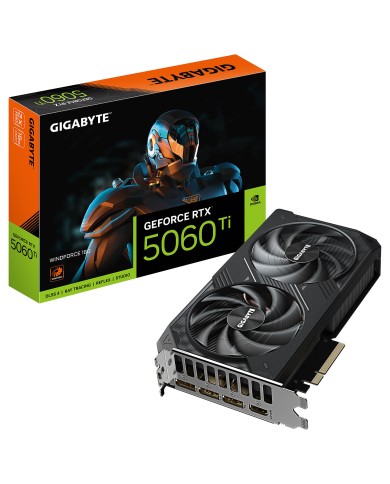
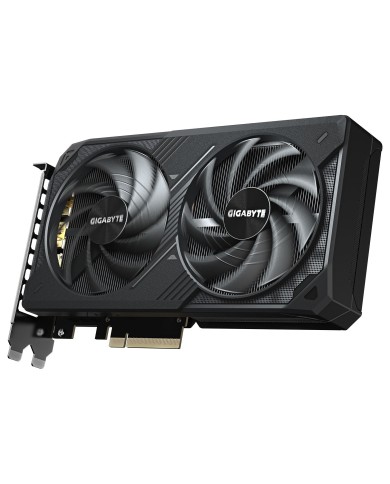
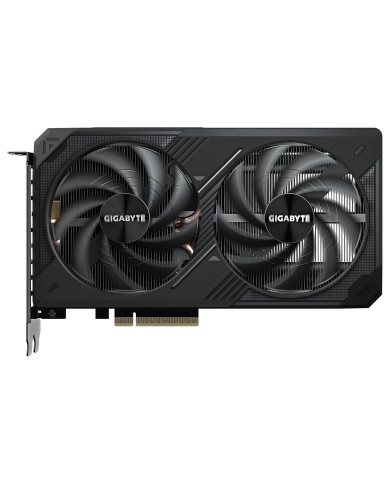
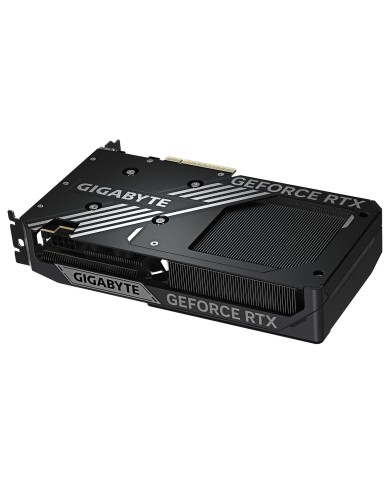
| Caractéristique | Détail |
| Modèle | RTX 5060 Ti WINDFORCE 16G |
| GPU | NVIDIA GeForce RTX 5060 Ti |
| Mémoire | 16 Go GDDR7 - 128-bit - 28 Gbps |
| Fréquence Boost | 2572 MHz |
| CUDA Cores | 4608 |
| Bus | PCIe 5.0 x8 |
| Sorties vidéo | 3x DisplayPort 2.1b, 1x HDMI 2.1b |
| Résolution max | Jusqu’à 1440p / 4K UHD |
| Consommation | 180W – 1x PCIe 8 broches |
| Refroidissement | Actif (fansink) |
| Dimensions | 208 x 120 x 40 mm |
| Caractéristique | Détail |
| GPU | NVIDIA GeForce RTX 5080 |
| Fréquence Boost | 2730 MHz (OC) |
| Mémoire | 16 Go GDDR7 / 256-bit |
| Bus | PCIe 5.0 x16 |
| Cœurs CUDA | 10752 |
| Résolution max | Jusqu’à 4K / VR Ready |
| Sorties Vidéo | 1 x HDMI 2.1b, 3 x DisplayPort 2.1b |
| Consommation | 360 W |
| Connecteur Alim | 16-pin PCIe |
| Refroidissement | Actif (fansink) |
| Format | Dual Slot (2.5 slots) / 304 mm |
| RGB | Oui |
| Catégorie | Détail |
| Mémoire vidéo | 12 Go GDDR7, 192 bits, 672 Go/s |
| Interface | PCI Express 5.0 x16 |
| Fréquences GPU | Base : 2 325 MHz / Boost : 2 625 MHz (overclockée) |
| Cœurs CUDA | 6 144 |
| Ray Tracing / AI Cores | 48 RT Cores / 192 AI Accelerators |
| Consommation (TDP) | 250 W, connecteur 1 x 12V-2x6 (16-pin) |
| Connectique vidéo | 3x DisplayPort 2.1, 1x HDMI 2.1, jusqu’à 4 moniteurs, 8K (7680x4320) |
| Refroidissement | MSI Tri Frozr 4, 3 ventilateurs, RGB, Zero RPM, Flow Through |
| Technologies | DLSS, Ray Tracing, G-Sync, DirectX 12.2, OpenGL 4.6, Shader Model 6.8 |
| Dimensions | 33,8 cm (L) x 14 cm (l), hauteur : 3 slots, poids : 1 187 g |
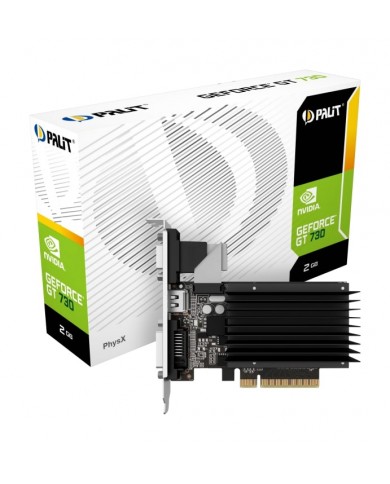
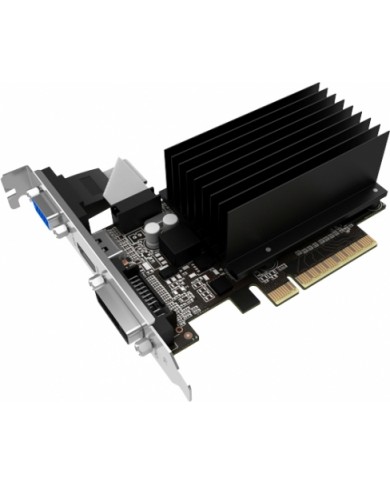
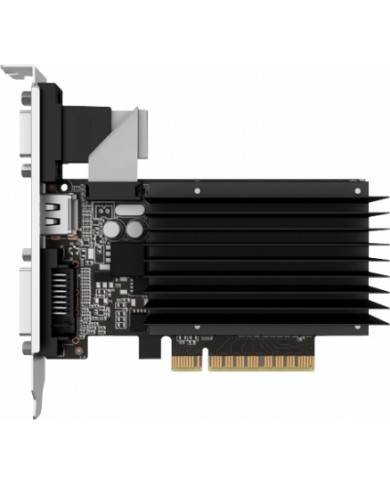
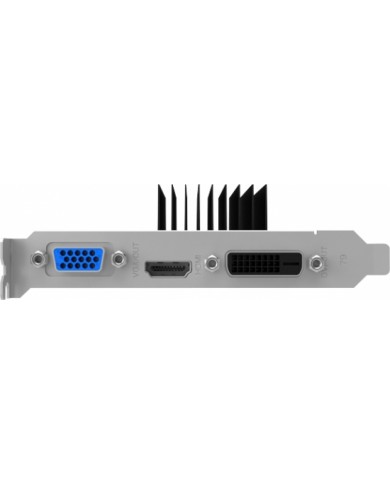
Speed up your PC multimedia experience. Upgrade from integrated graphics to the new Palit GeForce® GT 730 dedicated card and enjoy faster PC gaming, video, photos, and web.
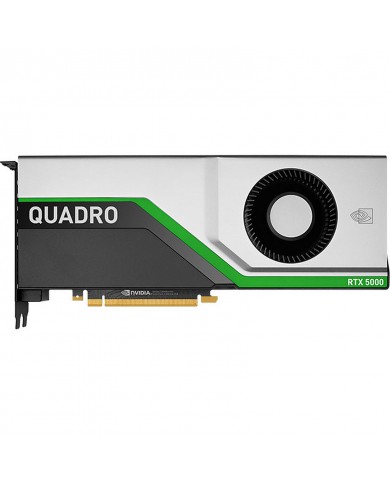
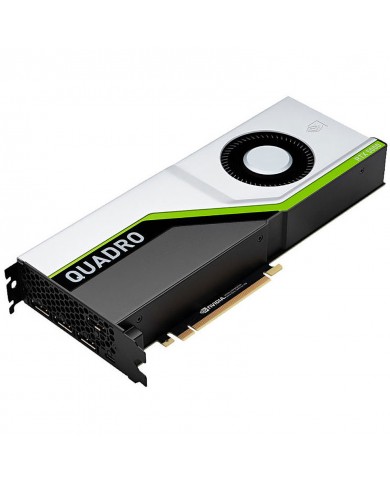
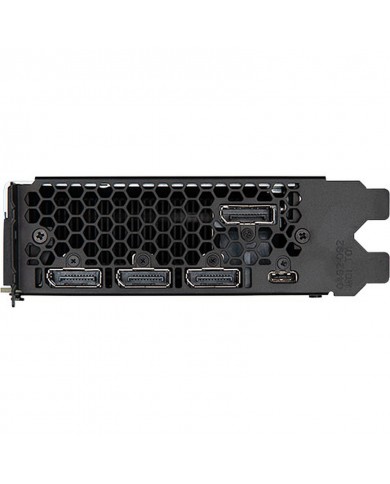
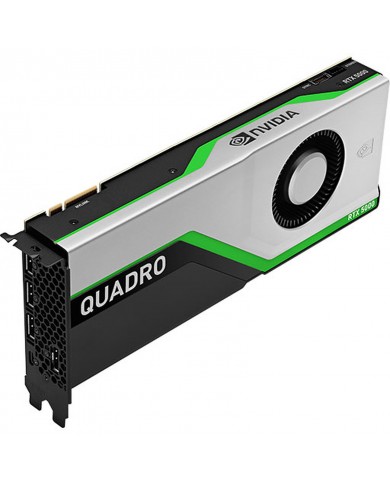
La PNY Quadro RTX 5000 offre d’incroyables performances sur les applications 3D professionnelles. Son format compact la rend compatible avec les plus petits postes de travail. La carte graphique dispose de 3 072 coeurs Cuda et 384 Tensors Cores qui sont associés à 16 Go de mémoire en GDDR6 pour apporter performances et fluidité.
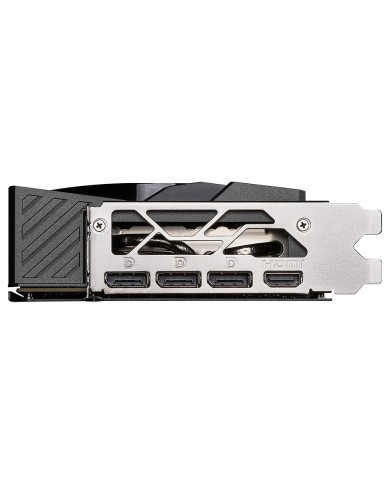
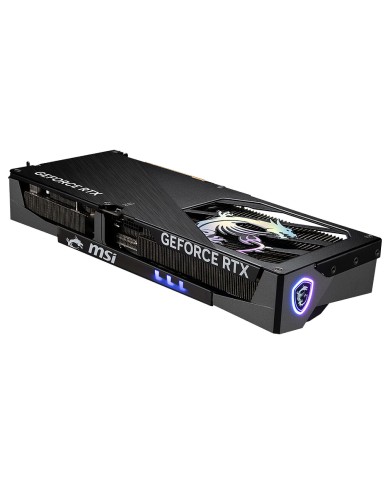
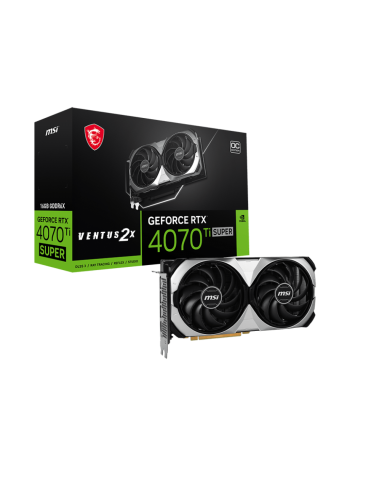
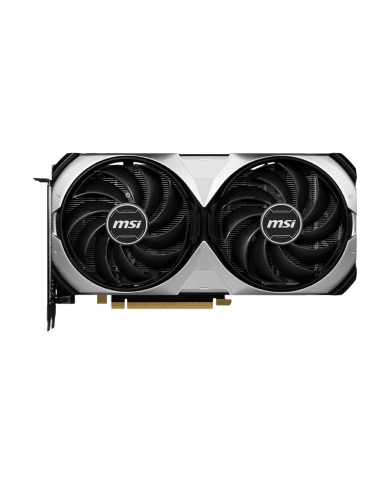
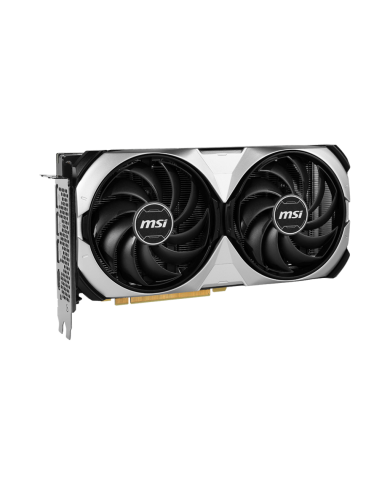
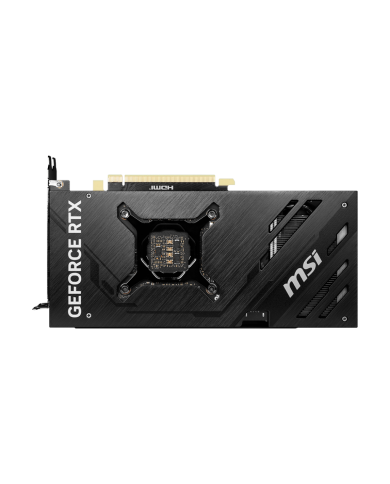
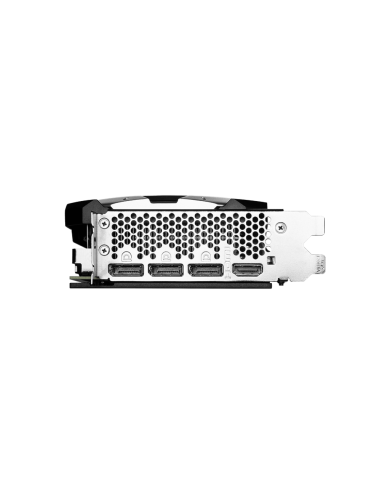
MSI Carte Graphique GeForce RTX 4070 16 Go GDDR6X - HDMI/Tri DisplayPort - DLSS 3 - PCI Express (NVIDIA GeForce RTX 4070 Ti SUPER)
| Caractéristique | Valeur |
|---|---|
| Marque du chipset | Nvidia |
| Puce graphique | NVIDIA GeForce RTX 4070 Ti SUPER |
| Quantité de mémoire | 16 Go |
| Garantie | 12 Mois |
| Marque | MSI |
| Fréquence boostée | 2655 MHz |
| Fréquence mémoire vidéo | 21000 MHz |